


DHP·아웃썸, 헬스케어 스타트업 5개사와 실리콘밸리 부트캠프, '두 번째 상륙'DHP and Outsome Land in Silicon Valley for a Second Time with Five Healthcare Startups
6대 1의 경쟁률을 뚫은 딥테크 헬스케어 5개사, 2주간 현지 합숙 부트캠프
현지 VC 라운드테이블부터 OpenAI·마이크로소프트, 스탠퍼드 의대 연계까지
실리콘밸리 네트워크를 투자·PoC·파트너십으로 연결해, 사업 성과 창출이 목표Five deep-tech healthcare companies, selected from a 6-to-1 applicant pool, take part in a two-week residential bootcamp in Silicon Valley
From roundtables with local VCs to sessions with OpenAI, Microsoft, and connections to Stanford School of Medicine
The goal: turning Silicon Valley networks into investment, PoCs, partnerships, and real business results
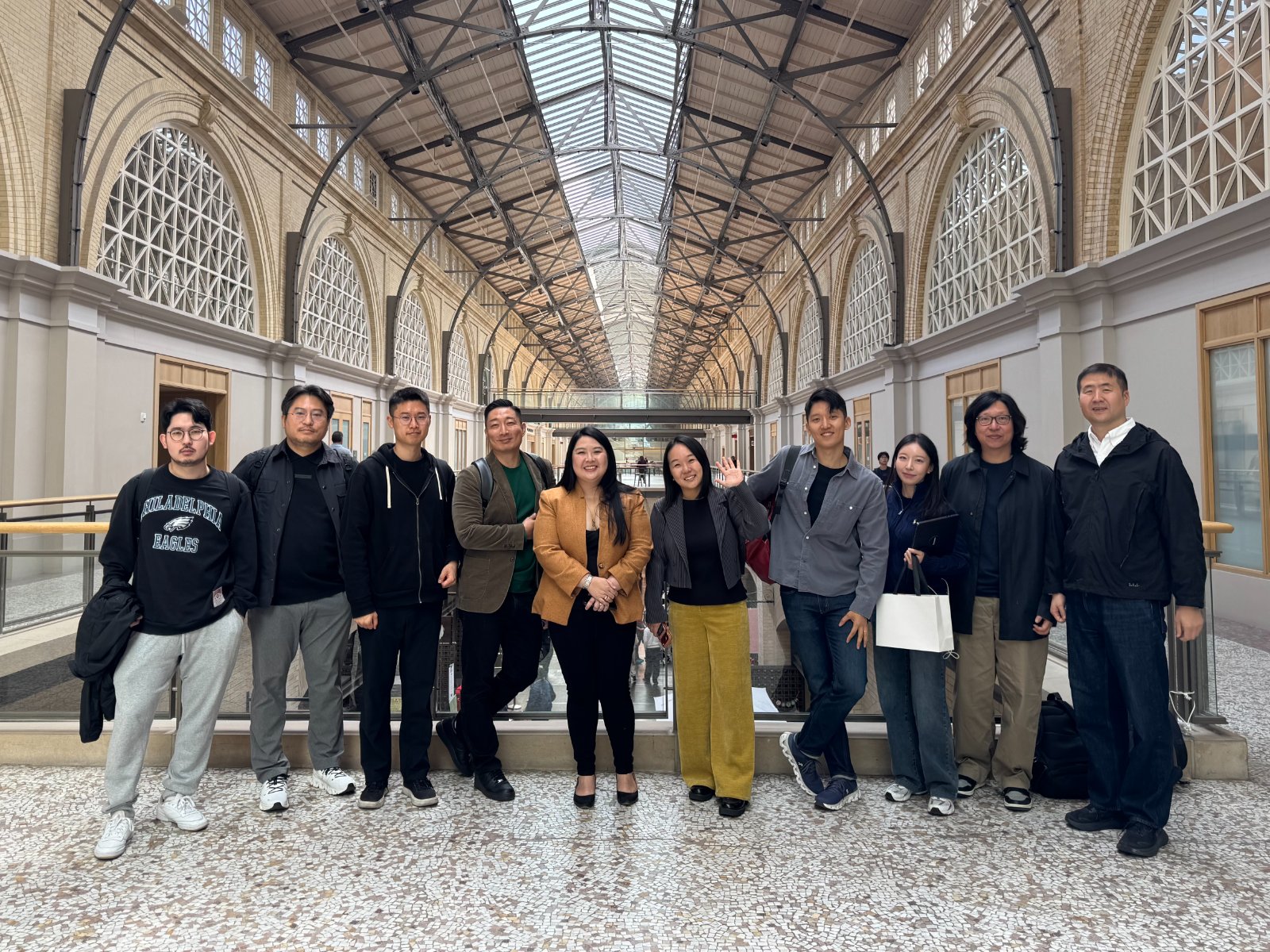
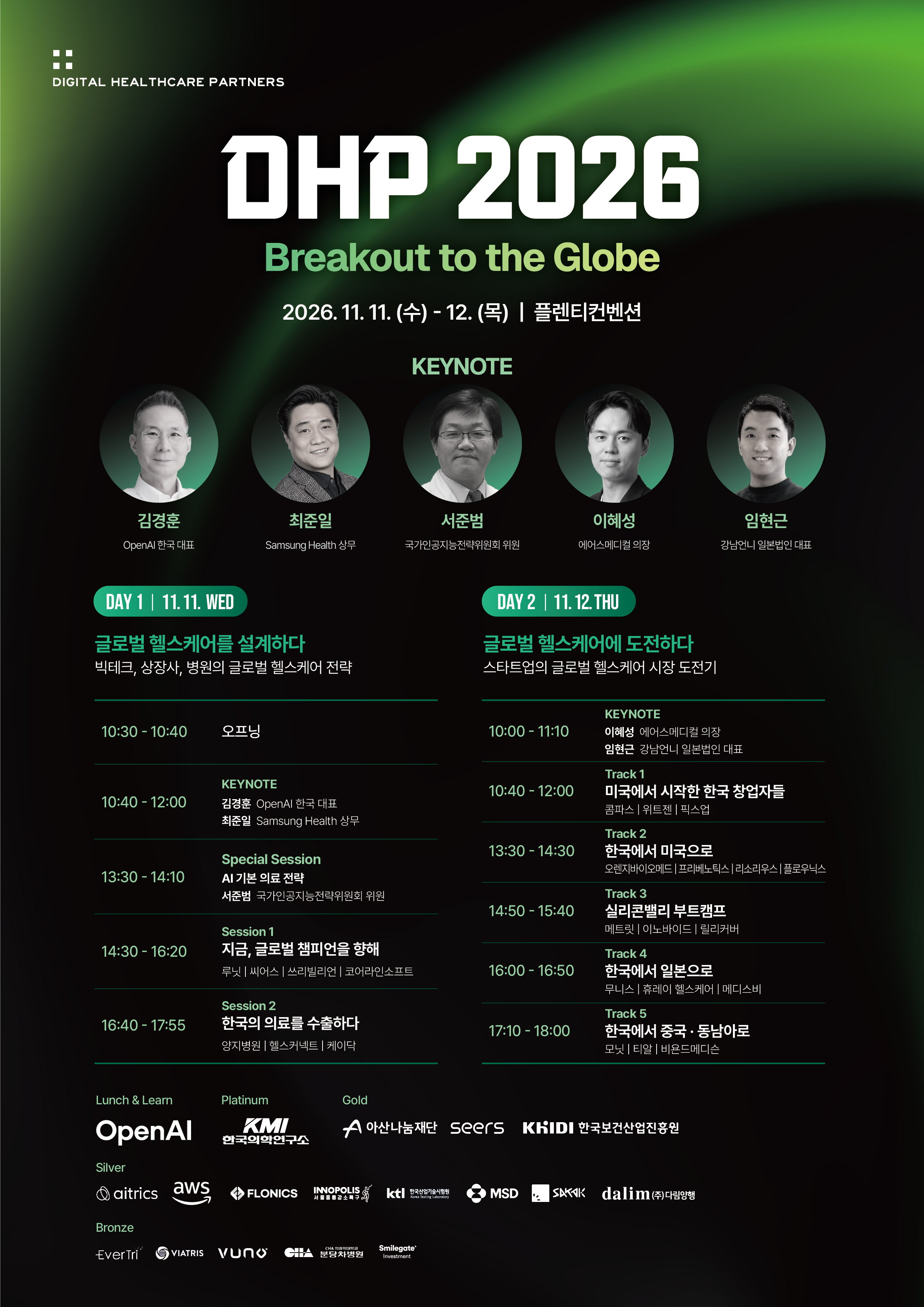
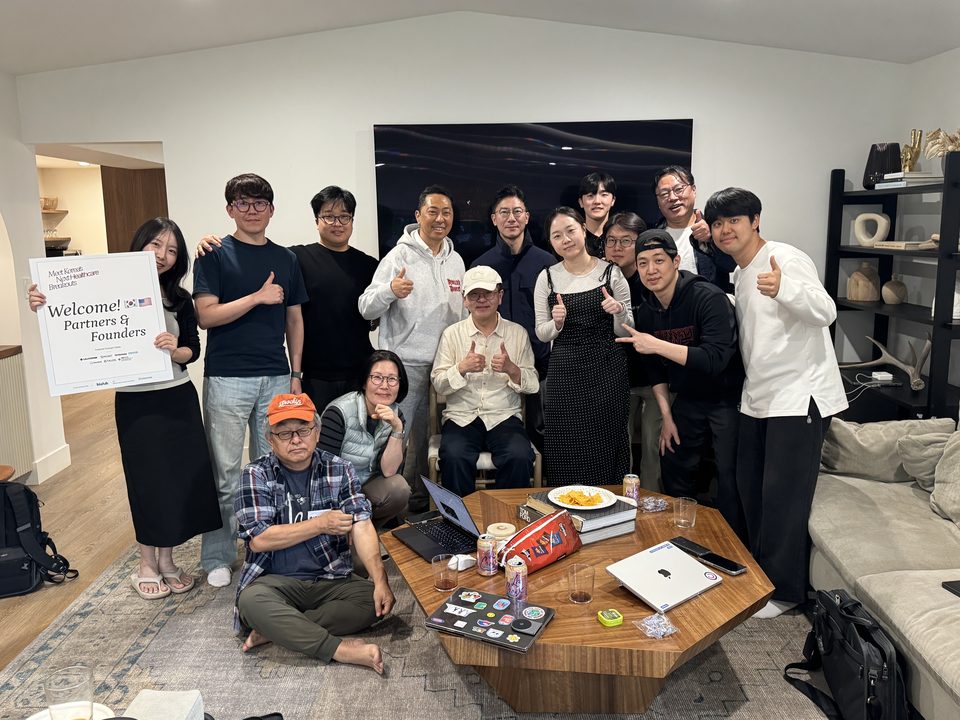
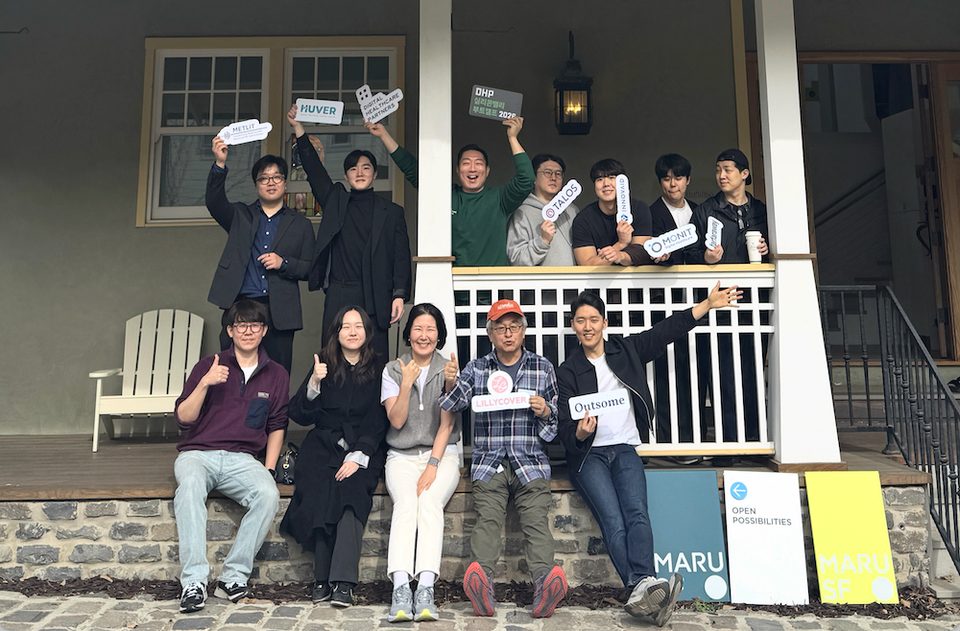
디지털 헬스케어 전문 투자사 디지털 헬스케어 파트너스(대표이사 최윤섭, 이하 DHP)와 미국 진출 전문 액셀러레이터 아웃썸(Outsome, 대표이사 신동엽)은 공동으로 운영하는 'DHP x Outsome 실리콘밸리 부트캠프 2026'에 참여할 5개 기업을 선정하고, 현지 시각 10월 19일부터 2주간의 실리콘밸리 현지 프로그램에 돌입한다고 밝혔다. 이번 부트캠프는 지난 2월에 1기에 이은 두 번째 기수로, 서울바이오허브-기술보증기금 「글로벌 진출 성장 가속 프로그램」의 일환으로 진행된다.
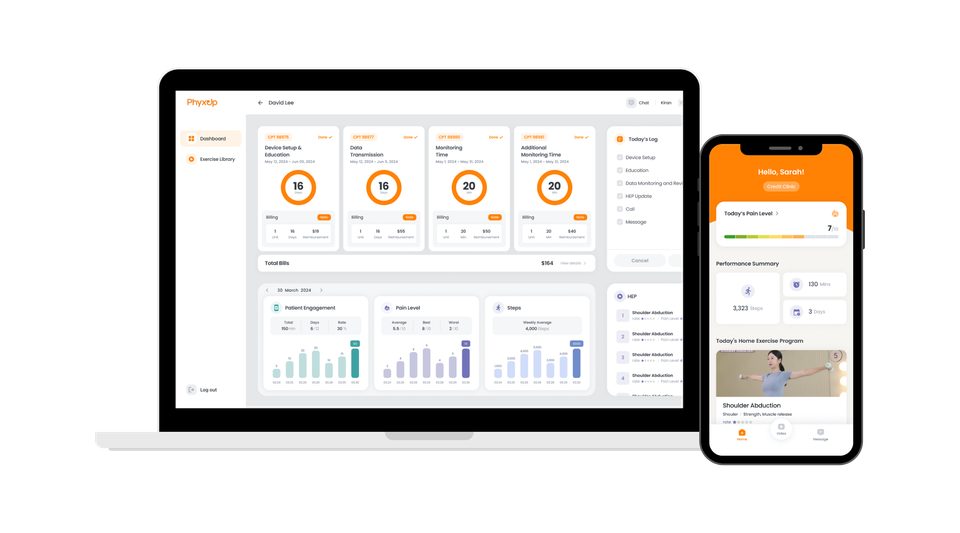
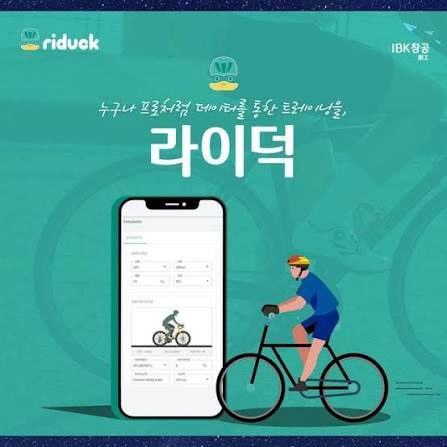
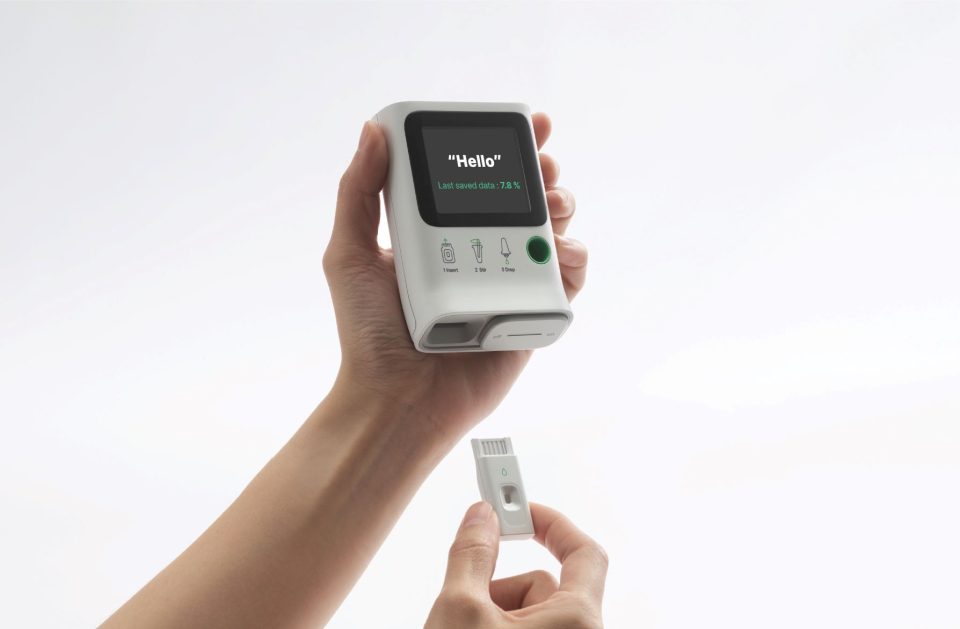
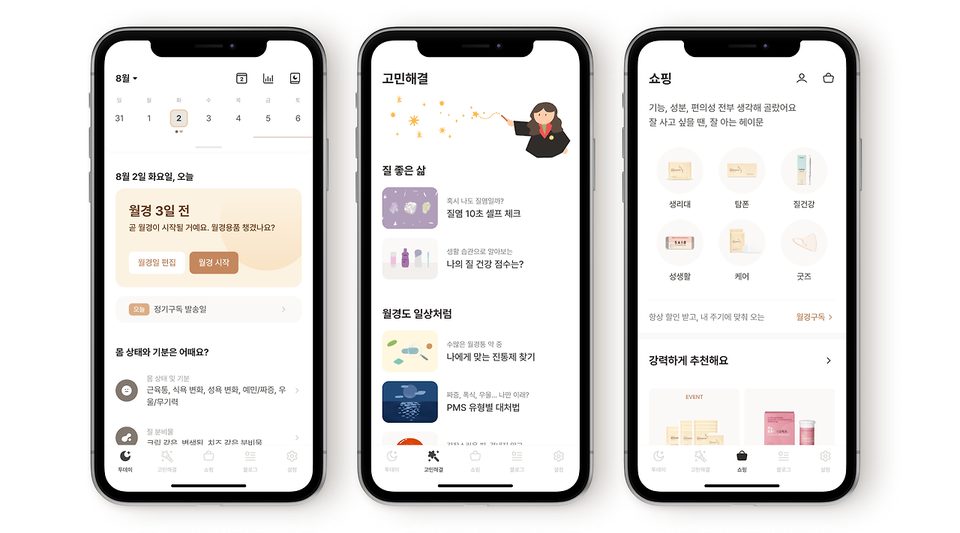
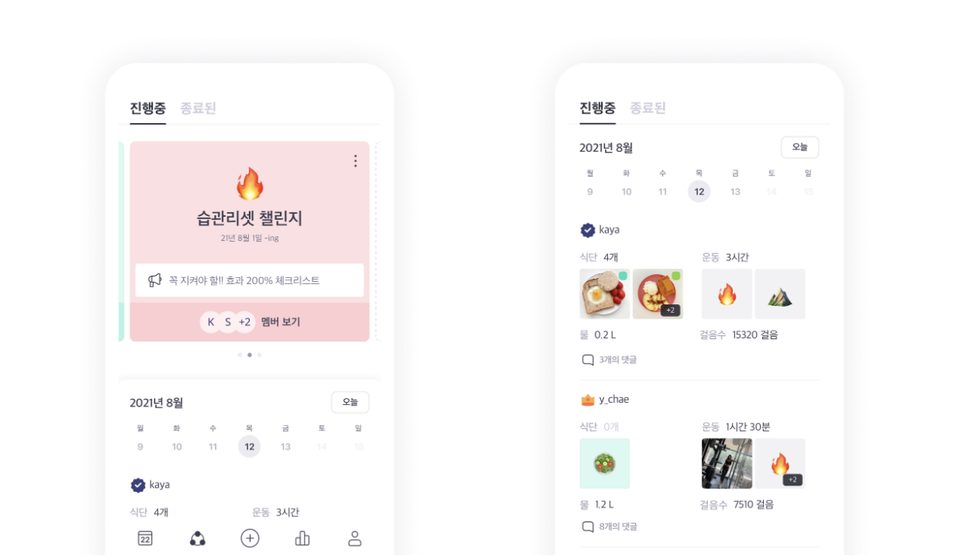
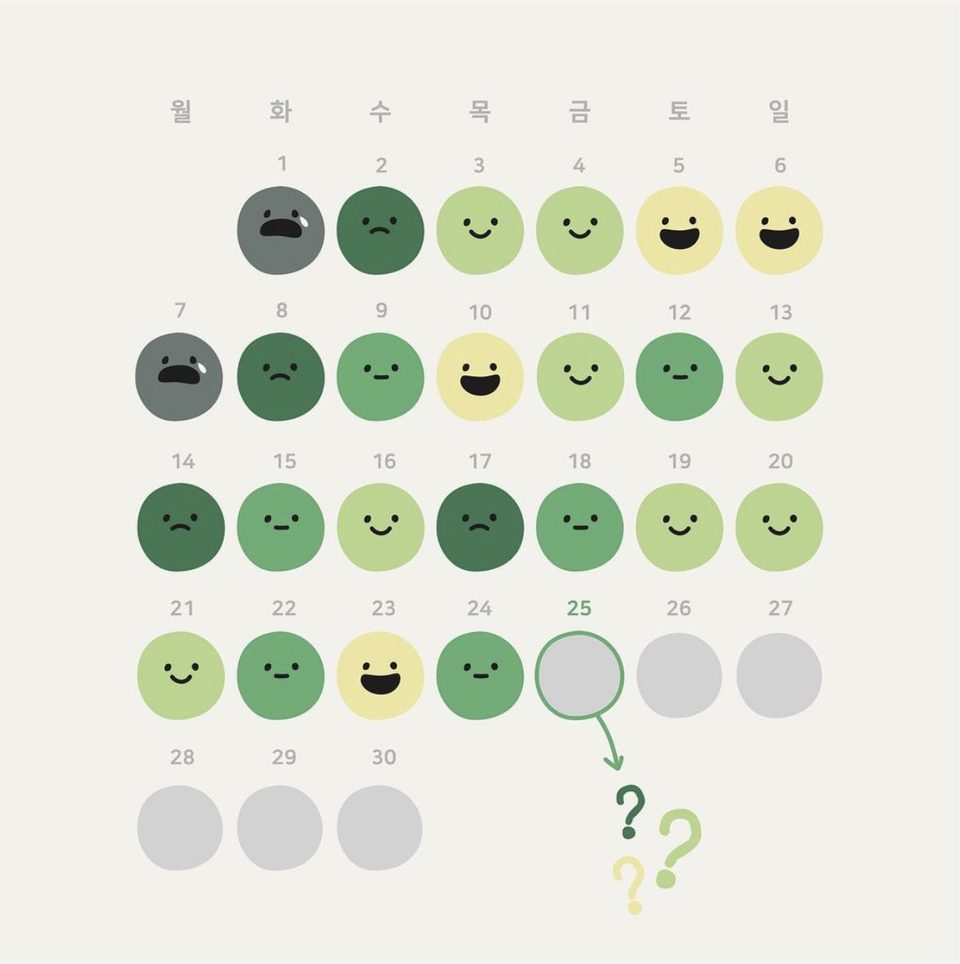
6대 1의 경쟁률을 뚫고 최종 선정된 5개 기업은 ▲엠에이아이티(영아 고관절 이형성증 AI 진단) ▲하해호(시니어·암 생존자를 위한 AI 헬스 컴패니언) ▲포어텔마이헬스(혈소판 기반 액체생검과 AI를 결합한 암 조기 진단) ▲벨테라퓨틱스(소리 기반 불면증 디지털 치료기기) ▲세븐포인트원(음성 검사 기반 치매 고위험군 선별) 등이다. 대부분 병원과 의료기관을 주요 고객으로 하는 프리시리즈A에서 시리즈A 단계의 기업으로, 미국 시장 진입을 본격적으로 준비하는 딥테크 헬스케어 스타트업이다.
선발된 기업들은 출국에 앞서 8월부터 국내에서 사전 보육을 거쳤다. 9월 오리엔테이션을 시작으로 운영진과의 1:1 맞춤 멘토링 및 IR 덱 리뷰를 통해 각 사의 강점과 약점을 진단하고, 미국 투자자를 위한 IR 자료와 피칭을 고도화했다. 또한 DHP 최윤섭 대표의 'VC 투자 유치 실전 가이드'를 시작으로 ▲541벤처스 이은세 대표 ▲A2G캐피털 정지훈 파트너 ▲사제파트너스 캐시 구(Kathy Koo) 파트너 등 미국 현지에서 활동하는 VC들의 강의와, 미국 진출에 성공한 선배 기업 ▲에어스메디컬 권보미 전 이사의 강연 등을 통해 미국 진출을 준비했다.

현지 프로그램은 10월 19일부터 11월 1일까지 샌프란시스코 베이 지역에서 참가자 전원이 숙식을 함께하는 합숙형으로 진행되며, 각 기업의 대표를 포함한 C레벨 경영진이 직접 참여한다.
이번 부트캠프는 미국 진출에 실제로 필요한 연결을 2주 안에 압축적으로 만들어내도록 설계되었다. 투자를 위한 현지 벤처캐피털, 고객이자 기술 파트너가 될 수 있는 글로벌 빅테크, 미국 의료 혁신의 현장인 스탠퍼드, 그리고 먼저 미국 시장에 뛰어든 선배 창업자와 현지 전문가까지, 미국 진출의 각 단계에서 마주칠 문제를 미리 경험하고 그 해법을 가진 사람들을 직접 만나도록 구성되어 있다.
먼저 현지 투자자와의 접점을 대폭 넓혔다. 10월 23일 글로벌 로펌 윌머헤일(WilmerHale)의 샌프란시스코 사무소에서 열리는 'VC 라운드테이블'에는 ▲LG테크놀로지벤처스(LG Technology Ventures) ▲퓨파벤처스(Pupa Ventures) ▲넥스트벤처스(Next Ventures) ▲한국벤처투자 실리콘밸리(KVIC Silicon Valley) ▲노보홀딩스(Novo Holdings) ▲아키텍트벤처스(Arkitekt Ventures) 등이 참여한다. VC들이 먼저 자신의 투자 철학과 관심 분야를 소개하는 '리버스 피칭'에 이어 소그룹별로 창업자와 심도 있는 대화를 나누는 방식으로, 일방적인 발표가 아닌 실제 투자 검토로 이어질 수 있는 관계를 만드는 데 초점을 맞추었다. 10월 27일에는 이번 기수에 새롭게 도입된 'VC 네트워킹 디너'가 열려 ▲SOSV ▲ZVC ▲노보홀딩스 ▲디지TX파트너스(DigiTx Partners) 등과의 만남을 이어간다. 이 밖에도 SOSV의 샌프란시스코 오피스를 방문하고, GFT벤처스(GFT Ventures) 아이비 응우옌(Ivy Nguyen) 파트너와의 파이어사이드 챗을 통해 현지 투자자의 시각을 직접 듣는다.
헬스케어 AI를 이끄는 글로벌 빅테크와의 협업 기회도 모색한다. 참가팀들은 OpenAI 본사를 방문해 헬스케어 팀으로부터 OpenAI가 바라보는 헬스케어 분야의 방향성을 듣고, 각 사의 제품과 기술적 고민에 대한 피드백을 받는다. 또한 마이크로소프트 실리콘밸리 캠퍼스의 임원 브리핑 센터(EBC, Executive Briefing Center)를 방분하여 마이크로소프트의 헬스케어 AI 전략을 듣고, 스타트업 지원 프로그램(Microsoft for Startups)과 마켓플레이스, 공동 영업(Co-sell)을 활용한 미국 시장 확장 방안을 논의한다.
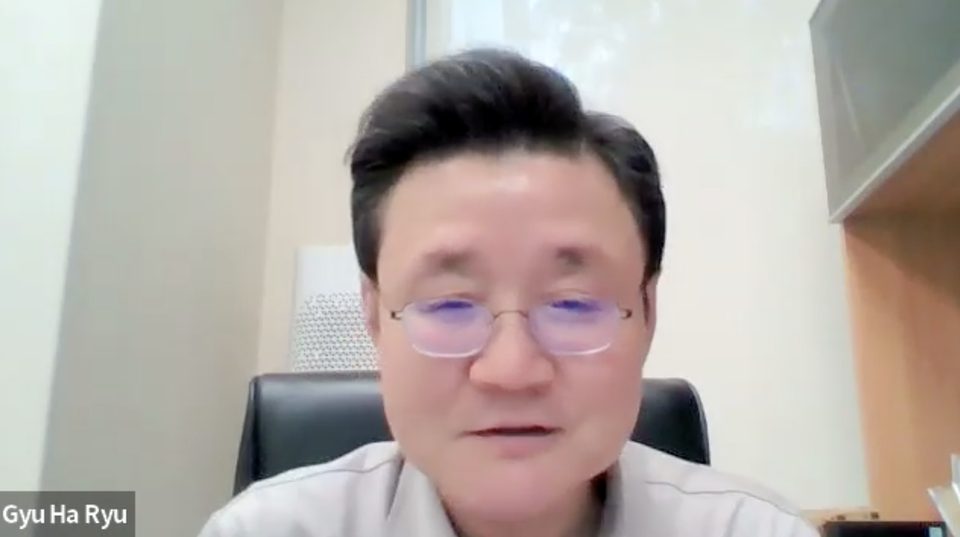
미국의 의료 혁신 현장과 바이오 생태계도 직접 들여다본다. 참가팀들은 스탠퍼드 의과대학의 의료기기 혁신 프로그램인 스탠퍼드 바이오디자인(Stanford Biodesign)의 워크숍을 통해 미국에서 임상 현장의 문제가 제품과 창업으로 이어지는 과정을 배운다. 아울러 각 사의 니즈에 맞춰 스탠퍼드 대학병원의 영상의학과, 재활의학과, 종양내과, 신경과 등 교수진과 개별 미팅을 진행해 임상 자문을 받고, 미국 내 임상 검증을 위한 협업도 추진한다. 또한 스탠퍼드 출신 한규호 대표가 공동 설립한 실리콘밸리의 바이오 기업 메딕 라이프사이언스(MEDiC Life Sciences)를 방문해, 한국인 창업자가 현지에서 회사를 세우고 투자와 파트너십을 만들어 온 경험을 직접 듣는다.
미국 병원 시장 진입을 위한 실전 교육도 강화했다. 미국 의료영상 데이터 플랫폼 세그메드(Segmed)의 공동창업자 아담 코섹(Adam Koszek)은 두 차례의 워크숍을 통해 미국 의료 데이터의 소유·동의·비식별화 기준과 EMR 연동의 현실, 병원 PoC 사례를 다루고, 팀별로 데이터 공급망과 병원 PoC 계획을 직접 설계하게 한다. 또한 노보플로우(Novoflow), 미라클(Miracle), 퍼스펙티브스 헬스(Perspectives Health), 알릭시아(Alixia), 안드로메다 서지컬(Andromeda Surgical) 등 와이콤비네이터(YC) 출신 헬스케어 창업자들과의 파이어사이드 챗과 네트워킹 디너를 통해 미국 병원 영업과 투자 유치 노하우를 전수받는다.
현지에서 활동하는 한인 전문가들도 멘토로 나선다. 루닛 백승욱 이사회 의장이 한국 의료 AI 기업의 글로벌 성장 경험을 공유하며, 윌머헤일 김정은 파트너 변호사, 업젠 한기용 대표, 태웅메디칼USA 서민수 대표, 직장인 커뮤니티 블라인드(Blind)의 공동창업자 김성겸 대표 등이 규제·보험·의료기기 유통·창업 등 미국 진출의 실무적인 인사이트를 제공할 예정이다.

지난 2월 진행된 첫 기수에서는 7개 참가 기업이 임상·유통 계약, PoC, 투자 검토 등 30건 이상의 사업 성과를 거뒀고, 프로그램이 끝난 뒤에도 현지에서 만든 네트워크가 실제 사업으로 이어지고 있다. 미용 AI 솔루션 기업 릴리커버는 부트캠프의 현지 창업자 네트워크를 통해 만난 실리콘밸리의 뷰티테크 스타트업과 솔루션 도입 및 PoC를 위한 의향서(LOI)를 체결하고, 이어 판매 계약까지 맺으며 미국 현지 매출을 만들었다. 의료 AI 에이전트 기업 휴버는 프로그램에서 연결된 현지 헬스케어 전문 VC, 의료기기 유통사, 선배 창업자, 대학병원 교수진 등과 후속 미팅을 이어갔고, 그 결과 미국 법인을 본사로 하는 플립(flip)까지 진행하며 본격적으로 미국 시장에 진출하고 있다. DHP와 아웃썸은 이번 두 번째 기수에서도 참가 기업들이 미국 진출 성과를 만들 수 있도록 귀국 이후에도 후속 지원을 이어갈 계획이다.
한편, 이번 부트캠프는 아산나눔재단의 실리콘밸리 거점 '마루SF'에서 진행된다. '마루SF'는 단기 체류형 글로벌 커뮤니티 허브로서, 미국 진출을 준비하는 스타트업이 현지 시장을 탐색하며 실리콘밸리 창업생태계와 교류할 수 있는 환경을 지원한다.
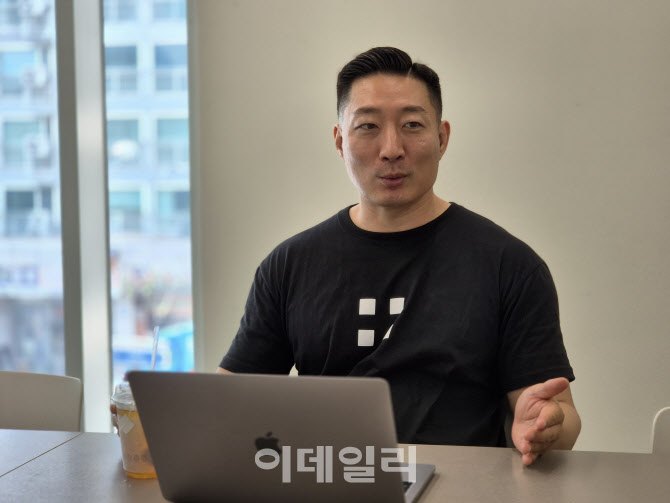
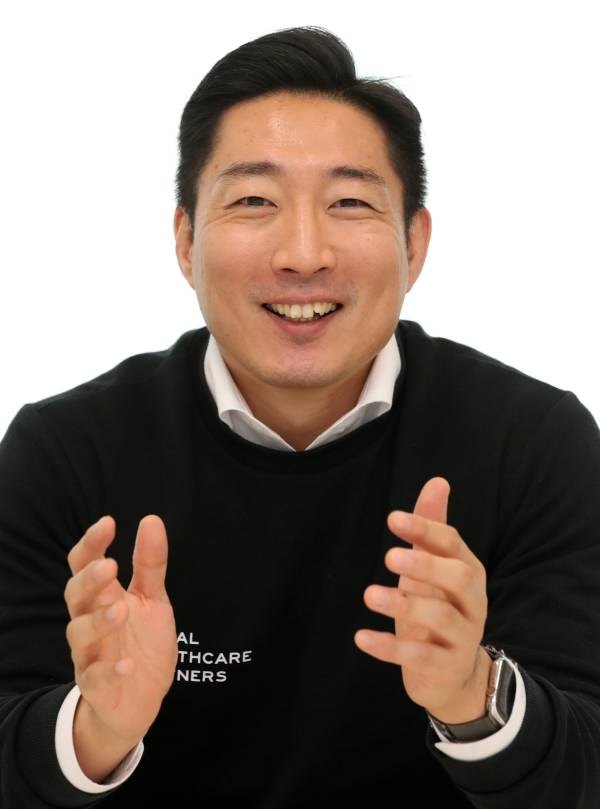
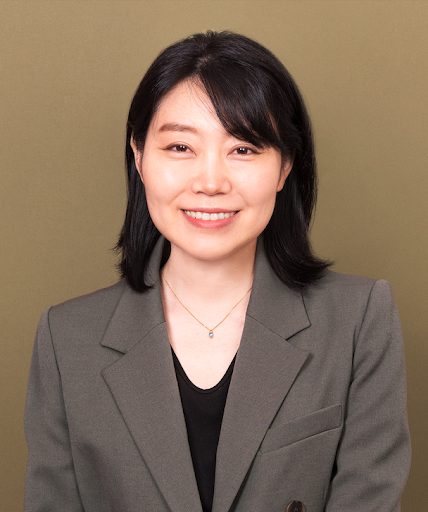
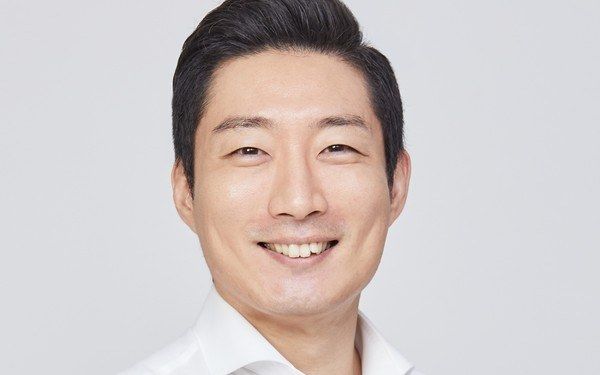
DHP 최윤섭 대표는 “이번 부트캠프는 단순한 실리콘밸리 탐방이 아닌, 미국 시장 진출을 위한 실질적인 성과를 내는 것을 목표로 한다”며, “투자자, 빅테크, 의료 현장, 선배 창업자까지 미국 진출의 각 단계에서 꼭 필요한 사람들을 2주 안에 만나고, 그 만남이 실제 투자와 PoC, 파트너십, 그리고 매출로 이어질 수 있도록 지원하겠다”고 밝혔다.
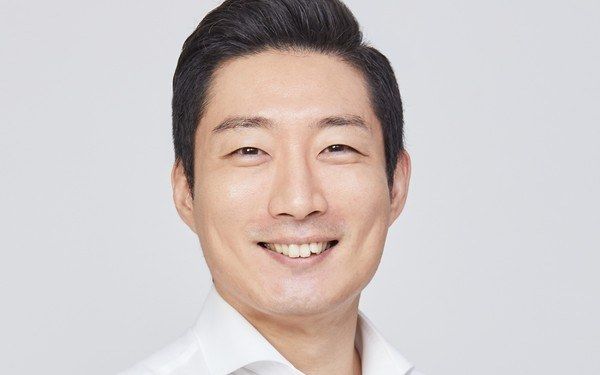
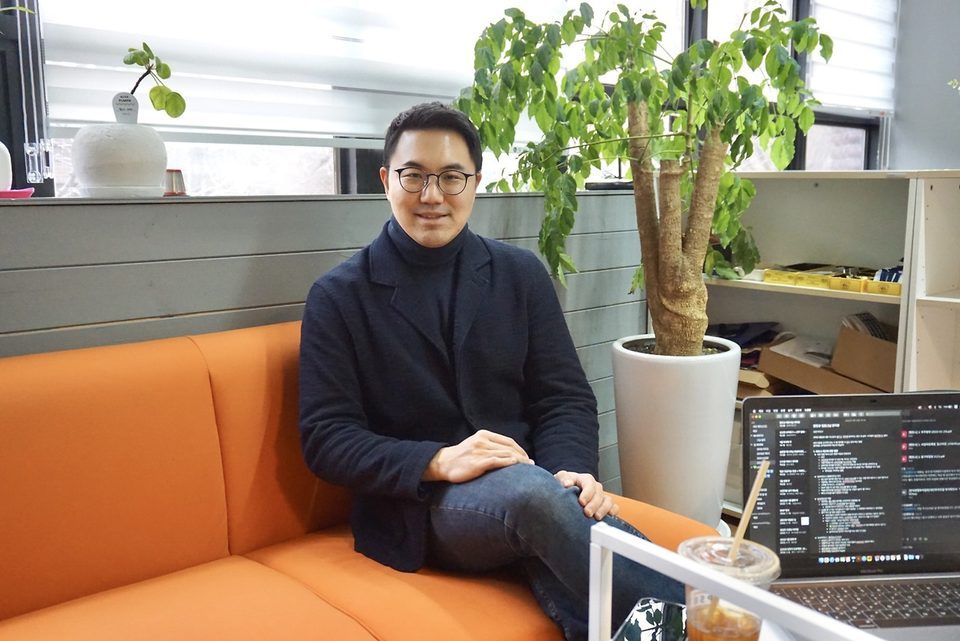
아웃썸 신동엽 대표는 “지난 첫 기수의 경험을 바탕으로, 이번에는 벤처투자자 및 미국 병원과의 접점을 더 넓히고, 의료 데이터, 수가 같은 주제를 더 깊이 다루도록 프로그램을 고도화했다”며, “앞으로도 한국 디지털 헬스케어 스타트업과 실리콘밸리 생태계를 잇는 통로를 만들겠다”고 덧붙였다.
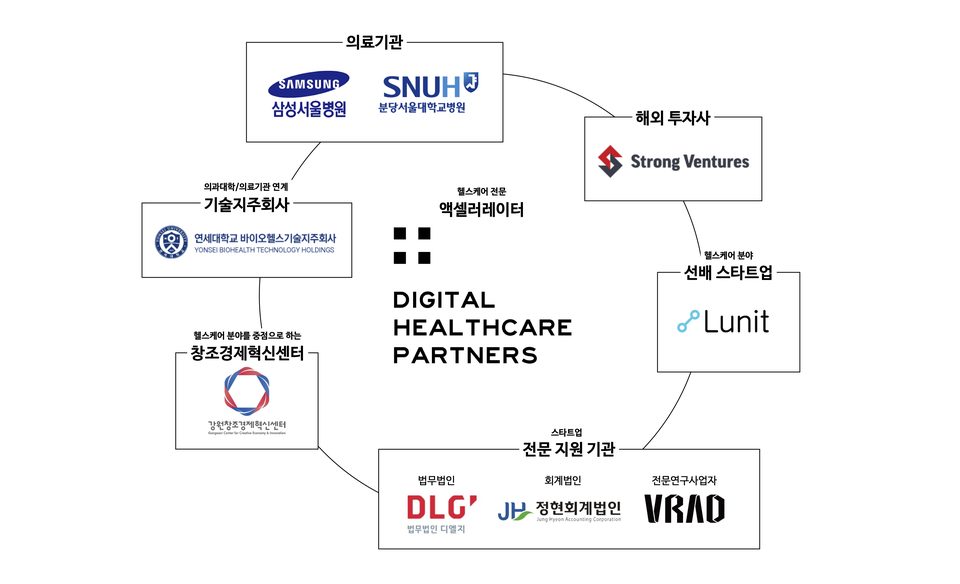
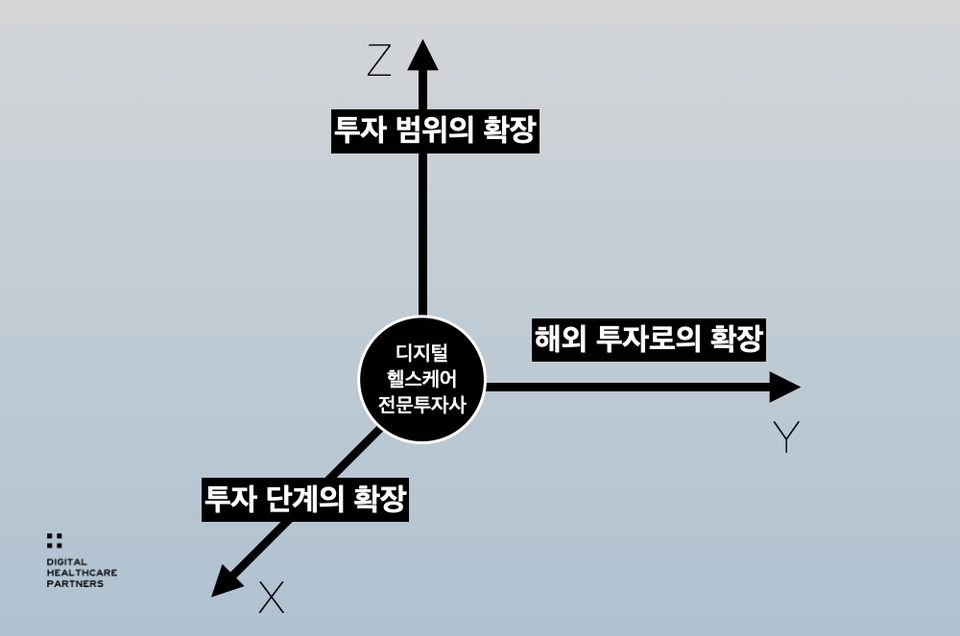
[디지털 헬스케어 파트너스 소개] 디지털 헬스케어 파트너스는 국내 유일의 디지털 헬스케어 스타트업 전문 투자사이다. 혁신적인 디지털 헬스케어 기업을 발굴, 투자, 육성하는 것을 목표로, 초기 투자, 의학 자문 및 의료계 네트워크, 임상 검증 및 후속 투자 유치와 관련한 엑셀러레이팅을 제공한다. 의료 및 헬스케어 전문가들을 중심으로 2016년 설립되었으며, 지금까지 60여 개의 디지털 헬스케어 스타트업에 투자하였다. 자세한 내용은 www.dhpartners.io에서 확인할 수 있다.
[Outsome 소개] Outsome(아웃썸)은 스타트업의 미국 시장 진출을 지원하는 액셀러레이터로, 초기 스타트업의 고객 검증, 매출 창출, 투자 유치 및 미국 시장 진출을 돕고 있다. Founder Sprint, US Track 등 실전 중심 프로그램을 통해 창업가들이 글로벌 고객과 투자자를 만나고, 미국 시장에서 반복 가능한 성장 전략을 구축할 수 있도록 지원한다. 또한 실리콘밸리 창업가, 투자자, 운영자 네트워크를 기반으로 글로벌 진출에 필요한 멘토링과 사업 개발 기회를 제공하고 있다. 자세한 내용은 www.outsome.co 에서 확인할 수 있다.
Digital Healthcare Partners (CEO Yoon Sup Choi, hereinafter DHP), a specialized digital healthcare investment firm, and Outsome (CEO Dongyeop Shin), an accelerator specializing in U.S. market entry, announced that they have selected five companies to join the "DHP x Outsome Silicon Valley Bootcamp 2026," which the two firms run jointly, and that the two-week on-the-ground program in Silicon Valley begins on October 19 local time. This is the second cohort following the first in February, and it is conducted as part of the Seoul Bio Hub–Korea Technology Finance Corporation "Global Expansion Growth Acceleration Program."
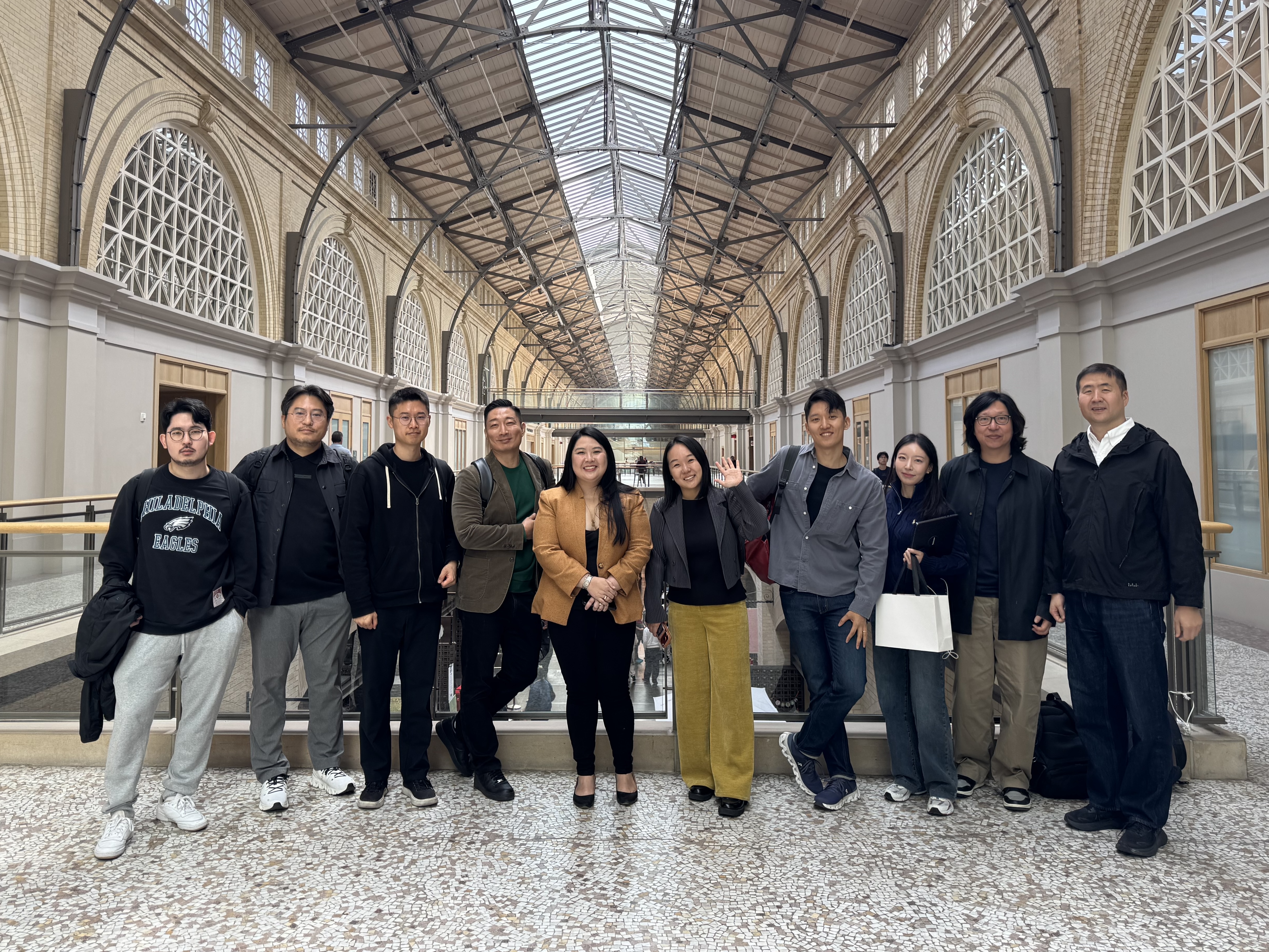
The five companies selected from a 6-to-1 applicant pool are: ▲MAIT (AI diagnosis of infant hip dysplasia) ▲Hahaeho (AI health companion for seniors and cancer survivors) ▲Foretell My Health (early cancer detection combining platelet-based liquid biopsy with AI) ▲Bell Therapeutics (sound-based digital therapeutic for insomnia) ▲Seven Point One (voice test-based screening for those at high risk of dementia). Most are pre-Series A to Series A companies whose primary customers are hospitals and medical institutions—deep-tech healthcare startups preparing in earnest to enter the U.S. market.
Before departure, the selected companies went through pre-program incubation in Korea beginning in August. Starting with a September orientation, they diagnosed their respective strengths and weaknesses through 1:1 tailored mentoring and IR deck reviews with the program team, and refined their IR materials and pitches for U.S. investors. They also prepared for U.S. expansion through lectures by VCs active in the United States—beginning with DHP CEO Yoon Sup Choi's "Practical Guide to Raising VC Investment," followed by ▲541 Ventures CEO Eunse Lee ▲A2G Capital Partner Jihoon Jung ▲Sage Partners Partner Kathy Koo—as well as a talk by ▲former AIRS Medical director Bomi Kwon, from a company that has successfully entered the U.S. market.
The on-site program runs from October 19 to November 1 in the San Francisco Bay Area as a residential program in which all participants live and work together, with C-level executives, including each company's CEO, participating directly.
This bootcamp was designed to compress the connections genuinely needed for U.S. market entry into two weeks. Local venture capital for investment, global big tech firms that can serve as both customers and technology partners, Stanford as a frontline of U.S. medical innovation, and senior founders and local experts who have already jumped into the U.S. market—the program is structured so that participants experience in advance the problems they will face at each stage of U.S. expansion and meet, in person, the people who have the solutions.
First, points of contact with local investors have been significantly expanded. The "VC Roundtable," held on October 23 at the San Francisco office of the global law firm WilmerHale, will be attended by ▲LG Technology Ventures ▲Pupa Ventures ▲Next Ventures ▲KVIC Silicon Valley ▲Novo Holdings ▲Arkitekt Ventures. The format begins with "reverse pitching," in which the VCs first present their investment philosophies and areas of interest, followed by in-depth small-group conversations with the founders—focusing not on one-way presentations but on building relationships that can lead to actual investment consideration. On October 27, a "VC Networking Dinner," newly introduced for this cohort, will continue the conversations with ▲SOSV ▲ZVC ▲Novo Holdings ▲DigiTx Partners. Participants will also visit SOSV's San Francisco office and hear local investor perspectives firsthand through a fireside chat with GFT Ventures Partner Ivy Nguyen.
The program also explores collaboration opportunities with the global big tech firms leading healthcare AI. Participating teams will visit OpenAI headquarters to hear from the healthcare team about OpenAI's view on the direction of the healthcare field and to receive feedback on their products and technical challenges. They will also visit the Executive Briefing Center (EBC) at Microsoft's Silicon Valley campus to hear about Microsoft's healthcare AI strategy and to discuss U.S. market expansion strategies leveraging Microsoft for Startups, the marketplace, and co-selling.

Participants will also look directly into the frontlines of U.S. medical innovation and its bio ecosystem. Through a workshop with Stanford Biodesign, the Stanford School of Medicine's medical device innovation program, teams will learn how clinical problems in the U.S. translate into products and companies. In addition, tailored to each company's needs, individual meetings will be arranged with faculty from Stanford Hospital's departments of radiology, physical medicine and rehabilitation, medical oncology, and neurology to obtain clinical advice and to pursue collaborations for clinical validation in the United States. Teams will also visit MEDiC Life Sciences, a Silicon Valley bio company co-founded by Stanford alumnus CEO Kyuho Han, to hear firsthand how a Korean founder built a company locally and secured investment and partnerships.
Practical training for entering the U.S. hospital market has also been strengthened. Adam Koszek, co-founder of U.S. medical imaging data platform Segmed, will lead two workshops covering U.S. medical data ownership, consent, and de-identification standards, the realities of EMR integration, and hospital PoC case studies, guiding each team to design its own data supply chain and hospital PoC plan. Participants will also learn hospital sales and fundraising know-how through fireside chats and networking dinners with Y Combinator (YC) alumni healthcare founders from companies such as Novoflow, Miracle, Perspectives Health, Alixia, and Andromeda Surgical.
Korean-American professionals working locally will also serve as mentors. Lunit Chairman of the Board Soo Woong Paeng will share his experience in the global growth of a Korean medical AI company, while WilmerHale partner attorney Jungeun Kim, Upzen CEO Kiyong Han, Taewoong Medical USA CEO Minsoo Seo, and Sungkyum Kim, co-founder of the workplace community Blind, will provide practical insights on regulation, reimbursement, medical device distribution, and entrepreneurship in the U.S.
In the first cohort held this past February, the seven participating companies achieved more than 30 business outcomes, including clinical and distribution agreements, PoCs, and investment reviews, and the networks built locally continue to translate into real business even after the program ended. Lillycover, a beauty AI solutions company, signed a letter of intent (LOI) for solution adoption and a PoC with a Silicon Valley beauty tech startup it met through the bootcamp's local founder network, then went on to sign a sales contract and generate revenue in the U.S. Huber, a medical AI agent company, continued follow-up meetings with local healthcare-focused VCs, medical device distributors, senior founders, and university hospital faculty connected through the program, and as a result has carried out a flip to a U.S. entity as its headquarters as it enters the U.S. market in earnest. For this second cohort as well, DHP and Outsome plan to continue follow-up support after participants return to Korea so that they can achieve results in the U.S. market.
Meanwhile, this bootcamp is being held at "MARU SF," the Asan Nanum Foundation's Silicon Valley base. As a short-stay global community hub, MARU SF supports an environment in which startups preparing for U.S. expansion can explore the local market and engage with the Silicon Valley startup ecosystem.
DHP CEO Yoon Sup Choi said, "This bootcamp is not a simple Silicon Valley tour; its goal is to produce tangible results for entering the U.S. market." He added, "We will support participants in meeting, within two weeks, the people essential at every stage of U.S. expansion—investors, big tech, the clinical frontline, and senior founders—and in turning those meetings into actual investment, PoCs, partnerships, and revenue."
Outsome CEO Dongyeop Shin added, "Building on the experience of the first cohort, we have upgraded the program to broaden points of contact with venture investors and U.S. hospitals and to address topics such as medical data and reimbursement in greater depth. We will continue to build a channel connecting Korean digital healthcare startups with the Silicon Valley ecosystem."
[About Digital Healthcare Partners] Digital Healthcare Partners is Korea's only investment firm dedicated to digital healthcare startups. With the goal of discovering, investing in, and nurturing innovative digital healthcare companies, it provides early-stage investment, medical advisory and healthcare industry networks, and acceleration related to clinical validation and follow-on fundraising. Founded in 2016 by a group of medical and healthcare experts, it has invested in some 60 digital healthcare startups to date. More information is available at www.dhpartners.io.
[About Outsome] Outsome is an accelerator that supports startups entering the U.S. market, helping early-stage startups with customer validation, revenue generation, fundraising, and U.S. market entry. Through hands-on programs such as Founder Sprint and US Track, it helps founders meet global customers and investors and build repeatable growth strategies in the U.S. market. Leveraging its network of Silicon Valley founders, investors, and operators, it also provides the mentoring and business development opportunities needed for global expansion. More information is available at www.outsome.co.